Anthropic Launches Agent Skills Standard as Agentic AI Foundation Unites Tech Giants
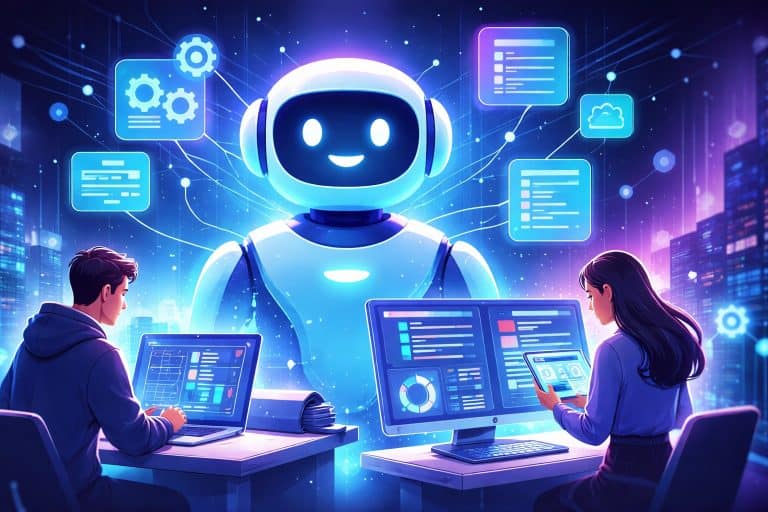
Artificial intelligence is entering a new phase where systems move beyond single, isolated models to collaborative, interoperable agent ecosystems. In December 2025, Anthropic officially released its Agent Skills technology as an open standard, and major AI developers and platforms have rallied behind the newly created Agentic AI Foundation (AAIF) to govern these emerging technical norms.
Together, these developments signal a shift away from isolated “walled garden” AI ecosystems toward shared frameworks that enable agents from different providers to work together and share capabilities.
What Is Agent Skills?
In simple terms, Agent Skills refers to a standardized specification for describing and reusing procedural knowledge or specialized capabilities for AI agents. This change allows agents from different platforms to understand and share modular skills. In practice, this allows them to execute those skills in a consistent and portable way across ecosystems.
Anthropic first introduced this concept in 2025 as part of its Claude AI suite, and in December it formally published Agent Skills as an open standard to the public. This approach makes it easier for developers to create reusable and composable capabilities and deploy them across models and tools.
The goal of this standard is to create a universal language for agent capabilities. This approach helps developers teach AI systems procedural flows. These flows include booking travel, managing calendars, and generating reports without proprietary lock in.
The Emergence of the Agentic AI Foundation (AAIF)
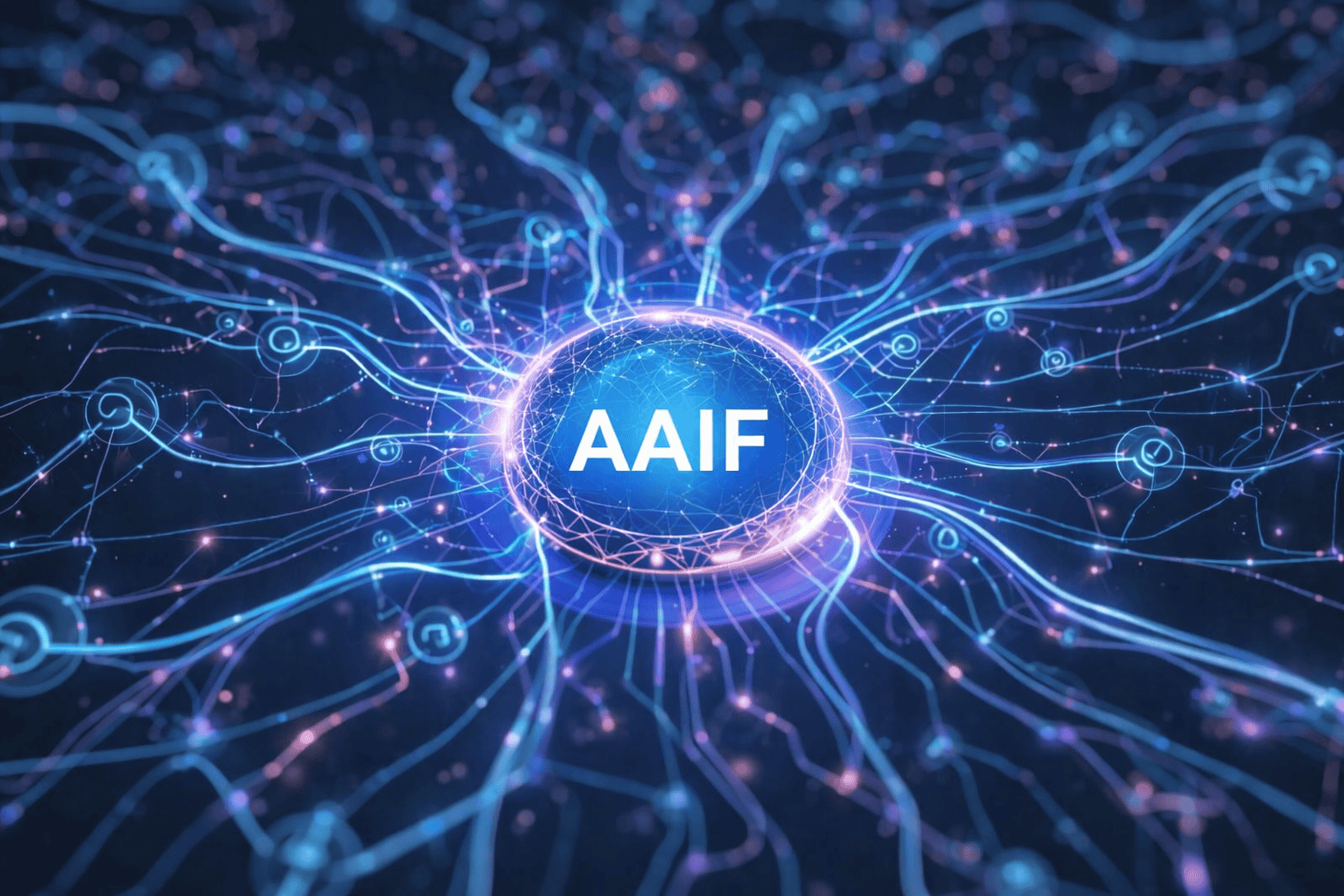
The Linux Foundation launched the Agentic AI Foundation (AAIF) to manage neutral governance and support open collaboration for agentic AI standards. The AAIF aims to bring together developers, researchers, and companies to maintain and grow open protocols for autonomous AI systems.
Anthropic, OpenAI, and Block co founded the Agentic AI Foundation in late 2025. Major technology companies such as Google, Microsoft, Amazon Web Services, Cloudflare, and Bloomberg also support this initiative. These members contribute foundational projects that form the backbone of the AAIF technical ecosystem.
Key projects under the AAIF include:
- Model Context Protocol (MCP): An open standard for connecting AI models to tools, data, and applications.
- goose: An open-source agent framework contributed by Block.
- AGENTS.md: A standard project from OpenAI that provides consistent agent instructions.
The AAIF operates as a directed fund within the Linux Foundation, leveraging decades of experience in stewarding open-source standards and collaborative communities.
Why Open Standards Matter
The movement toward open standards like Agent Skills and MCP reflects a broader industry trend: AI is becoming multi-model and multi-agent in nature, requiring shared protocols for interoperability.
Traditionally, proprietary platforms have kept AI ecosystems siloed and limited how tools and applications integrate across environments. With standards like Agent Skills, developers can build capabilities once and reuse them anywhere accelerating innovation and reducing fragmentation.
Some examples below:
- Development tools can offload tasks to consistent agent protocols.
- Developers can reuse skills across multiple platforms.
- AI systems can combine capabilities from multiple sources to perform complex workflows.
This shift is similar to how web standards like HTTP and HTML enabled broad interoperability across browsers and servers. Open AI standards could enable something similar unified infrastructure for the next generation of intelligent systems.
Implications for AI Developers and Businesses
The practical impact of Agent Skills and the AAIF includes:
Enhanced Collaboration
Developers can deliver reusable skills that integrate across tools, models, and platforms without rewriting the same logic for each environment.
Faster Innovation
Open standards reduce duplication and help ecosystems grow faster because developers can publish, discover, and reuse shared modules.
Vendor Neutrality
With governance under the Linux Foundation, AAIF provides a neutral space where no single company controls the roadmap — an important factor for open collaboration and trust.
The Future of AI Interoperability
The release of Agent Skills and the establishment of the AAIF mark foundational moments in the evolution of agentic AI systems that act autonomously to achieve complex goals by coordinating tools, data, and services.
As tools and models increasingly behave as modular, autonomous agents, these open standards help define how agents should interact, exchange capabilities, and build safe, predictable workflows.
Looking ahead, adoption of Agent Skills and AAIF protocols may shape:
- How enterprise AI systems are built
- How AI models cooperate across clouds and platforms
- How ecosystems manage safety, governance, and transparency
The era of closed, siloed AI tools is giving way to a collaborative agentic future — one where shared standards enable robust integration, competition, and innovation.